How To Start A Laundromat Business
A practical step-by-step guide to how to start a laundromat business, including preparation, instructions, common issues, tips, and next steps.
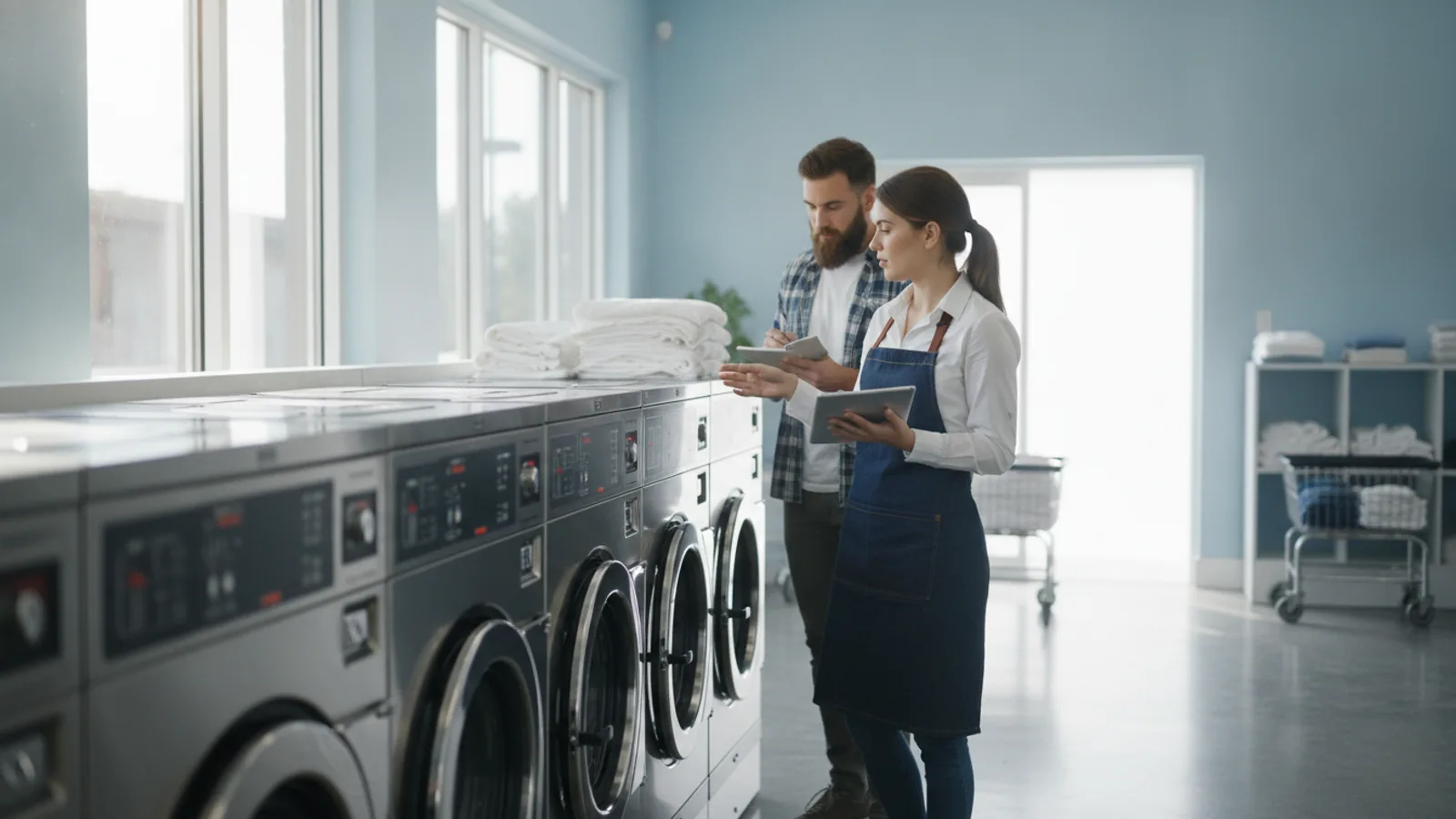
How To Start A Laundromat Business
Starting a laundromat can be a rewarding venture, offering a steady income stream from an essential service. This business model is known for its resilience during economic downturns, as clean clothes are a necessity. This guide provides clear, practical steps to navigate the entire process, from your initial idea and business plan to purchasing equipment and opening your doors. It's designed for aspiring entrepreneurs who need a complete roadmap for launching a successful laundromat business.
Fast Answer
- First Step: Research your local market to find an underserved area with the right demographics.
- Main Cost: Commercial-grade washing machines, dryers, and location build-out.
- Key to Success: A clean, safe, and well-maintained facility with reliable equipment.
- Profit Driver: High-volume customer traffic and efficient operations.
Before You Start
- Business Plan Outline: Have a clear idea of your mission, services, target market, and financial goals.
- Capital or Funding Plan: You will need significant funds. Estimate your startup costs and identify potential funding sources like personal savings, investors, or loans. A good credit score is often essential for financing.
- Market Analysis: Research the population density, income levels, and number of renters in your target areas. Look for existing competitors.
- Basic Business Knowledge: Familiarize yourself with fundamental concepts like revenue, expenses, profit margins, and liability.
Step-by-Step Instructions
Write a Detailed Business Plan
Your business plan is the blueprint for your success. It forces you to think through every detail of your laundromat and is essential for securing funding. A strong plan includes an executive summary, a company description, a market analysis showing customer demand and competition, a list of services you'll offer, a marketing and sales strategy, and detailed financial projections. For your financials, estimate your startup costs (equipment, rent, renovation, permits) and ongoing expenses (utilities, insurance, supplies, maintenance). Project your revenue for the first three to five years to show lenders your business is viable.
Secure Your Funding
Laundromats have high startup costs, often ranging from $200,000 to over $1,000,000, depending on the size, location, and whether you buy new or used equipment. Most entrepreneurs use a combination of funding sources. Options include:
- SBA Loans: These government-backed loans often have favorable terms but require a strong business plan and good credit.
- Equipment Financing: Many manufacturers and distributors offer financing specifically for their washers and dryers. This can be easier to obtain than a general business loan.
- Conventional Bank Loans: If you have a solid financial history and collateral, a traditional loan from a bank is a good option.
- Personal Savings or Investors: Using your own capital reduces debt, but also increases personal risk. Bringing on investors means giving up a share of your ownership.
Approach lenders with your detailed business plan and be prepared to discuss your financial projections and personal financial history.
Establish Your Legal Business Structure
Choosing the right legal structure affects your liability, taxes, and paperwork. The most common options for a laundromat are:
- Sole Proprietorship: The simplest structure, but it offers no personal liability protection. Your personal assets are at risk if the business is sued.
- Limited Liability Company (LLC): This is a popular choice. It protects your personal assets from business debts and lawsuits while offering tax flexibility.
- Corporation (S-Corp or C-Corp): More complex and costly to set up and maintain, but offers significant liability protection and may provide tax advantages for very profitable businesses.
After choosing a structure, you must register your business name (either your legal name or a "Doing Business As" name) and get a federal Employer Identification Number (EIN) from the IRS, which is like a Social Security number for your business.
Find and Secure the Right Location
Location is critical for a laundromat. Look for areas with high population density, a large number of renters (who are less likely to own washers and dryers), and good visibility. Ideal locations are often in or near apartment complexes, strip malls with anchor stores like grocery stores, or on busy commuter routes. Ensure there is ample, easy-to-access parking. The building itself must have adequate plumbing, electrical, and gas hookups to support commercial machines. A corner unit in a strip mall can provide excellent visibility from two streets.
Negotiate your lease carefully. A long-term lease (5-10 years) with options to renew gives you stability. Have a lawyer review the lease agreement before you sign to ensure the terms are fair and you understand all your responsibilities as a tenant.
Obtain All Necessary Licenses and Permits
Operating a business legally requires several licenses and permits from your city, county, and state. The specific requirements vary by location, but you will likely need:
- A general business license from your city or county.
- A health department permit, as you are dealing with water and sanitation.
- A fire department permit, especially concerning gas dryers.
- Signage permits for any exterior signs.
- A construction permit if you are doing significant renovations.
Contact your local city hall or chamber of commerce to get a checklist of all requirements. Additionally, you must secure business insurance. At a minimum, you need general liability insurance to protect against accidents and property insurance to cover your expensive equipment from fire, theft, or damage.
Purchase and Install Your Equipment
Your washers and dryers are the heart of your business. You must decide between new and used equipment. New machines are more expensive upfront but are more energy-efficient (saving you money on utilities), come with warranties, and are more reliable. Used equipment costs less but may require more maintenance and use more energy.
Consider the mix of machine sizes. You'll need a range of standard top-loaders or front-loaders for regular loads, as well as several large-capacity machines for customers washing bulky items like comforters and sleeping bags. These larger machines can command a higher price and be a major draw. Also, decide on a payment system. While coin-operated machines are traditional, modern card or mobile app payment systems are more convenient for customers and reduce the security risks associated with having large amounts of cash on site.
Design the Layout and Prepare the Space
A comfortable, clean, and safe environment will keep customers coming back. Plan a layout that is easy to navigate. Place machines in logical rows with wide aisles. Ensure you have plenty of folding tables, seating, and good lighting. Amenities can set you apart from competitors. Consider adding:
- Free Wi-Fi
- Vending machines for snacks, drinks, and laundry supplies (detergent, dryer sheets).
- Televisions or a children's play area.
- Clean, well-stocked restrooms.
The build-out process involves working with contractors to handle plumbing, electrical work, and ventilation for the dryers. This phase is complex and must be done to code, so hire licensed and insured professionals.
Market Your Business for a Grand Opening
Don't wait for customers to find you. Start marketing before you even open. A large, clear "Coming Soon" banner on your storefront will build anticipation. Create a simple website and social media profiles. Run targeted ads on platforms like Facebook to reach people living within a few miles of your location. Consider distributing flyers in nearby apartment buildings.
Plan a grand opening event to create a buzz. Offer promotions like free washes or a discount for the first week. This encourages people to try your facility. Good signage is your most important marketing tool, so invest in bright, professional, and easy-to-read signs for the exterior of your building.
Quick Reference
| Situation | Recommended Action | Why |
|---|---|---|
| Choosing a Payment System | Hybrid Coin and Card/App System | Accommodates all customers, improves security, and provides better data on machine usage. |
| Setting Wash/Dry Prices | Analyze Competitors' Prices | You need to be competitive, but don't just be the cheapest. Justify your price with a cleaner facility and better machines. |
| Hiring Staff | Start with a Part-Time Attendant | An attendant keeps the facility clean, helps customers, and provides security, which can attract more clients. |
| Buying Equipment | Prioritize Energy-Efficient Models | Utilities are your biggest ongoing expense. Efficient machines have a higher upfront cost but save you thousands over their lifetime. |
Common Problems When You Start A Laundromat Business
Problem: Frequent Equipment Breakdowns
Broken machines mean lost revenue and unhappy customers. If a customer loses money in a malfunctioning machine, it creates a very negative experience.
Solution: Establish a preventive maintenance schedule from day one. Regularly clean dryer vents, check water hoses for leaks, and service machines as recommended by the manufacturer. Buy equipment from reputable brands known for durability. Keep a log of all maintenance and repairs for each machine.
Problem: Sky-High Utility Bills
Water, gas, and electricity are the largest operating expenses for a laundromat. Unexpectedly high bills can destroy your profit margin.
Solution: Invest in high-efficiency (HE) washers and dryers. While they cost more initially, the long-term savings on utilities are substantial. Promptly fix any water leaks, no matter how small. Monitor your utility usage monthly to spot any unusual spikes that could indicate a problem.
Problem: Attracting and Retaining Customers
Just because you open doesn't mean customers will automatically show up, especially if there is existing competition.
Solution: Focus on what customers value most: cleanliness, safety, and reliability. Keep your facility spotless. Ensure all lights, both inside and outside, are working to create a safe atmosphere. Offer excellent customer service if you have an attendant. A simple loyalty program (e.g., "10th wash is free") can encourage repeat business.
Advanced Tips for Your Laundromat Business
Add Value-Added Services
Once your core self-service business is stable, you can increase revenue per customer by adding services. A wash-and-fold (or drop-off) service is the most popular. You charge by the pound, and it attracts busy professionals or families who value convenience over cost. You can also offer specialized cleaning for items like comforters or sleeping bags.
Embrace Modern Technology
Beyond card payment systems, modern laundromat management software can give you incredible insights into your business. You can track revenue by machine, identify the busiest times of day, and even allow customers to check machine availability online before they visit. This data helps you optimize pricing, promotions, and staffing.
Develop a Commercial Laundry Niche
Reach out to other local businesses to create a commercial laundry accounts. Salons, spas, small restaurants, gyms, and local motels all have regular laundry needs. Securing a few commercial contracts can provide a reliable, consistent source of income that complements your self-service traffic.
How To Start A Laundromat Business FAQ
How much does it really cost to start a laundromat?
The startup cost varies widely, but a realistic range is $200,000 to $1,000,000+. Key factors include the size of the location, whether you rent or buy the property, the cost of renovations, and whether you purchase new or used equipment. Equipment alone can cost between $100,000 and $400,000.
Are laundromats a profitable business?
Yes, they can be very profitable. Laundromats often have high profit margins (typically 20-35%) because there is low inventory cost and labor can be minimal. Success depends on a good location, managing utility costs, and keeping the machines running. It is a high-capital investment, but it can provide a strong and steady cash flow once established.
How much work is it to run a laundromat?
While often called a "semi-passive" business, it is not completely hands-off. You or an employee will need to open and close the store daily, clean the facility, collect money (or manage the card system), restock vending machines, and handle customer service issues. The most time-consuming part is performing or managing equipment maintenance and repairs.
Final Checklist for Starting a Laundromat Business
- Complete your market research and identify a target location.
- Write a comprehensive business plan with detailed financial projections.
- Secure necessary funding through loans, investors, or personal capital.
- Register your business as an LLC or other legal entity and get an EIN.
- Sign a lease on a suitable property after verifying zoning and utilities.
- Apply for all required local, state, and federal licenses and permits.
- Purchase reliable, efficient commercial washers and dryers.
- Hire contractors to complete the build-out (plumbing, electrical, flooring).
- Set up amenities like folding tables, seating, and vending machines.
- Launch a marketing campaign to announce your grand opening.
- Hire and train an attendant if your business model includes one.
- Open your doors and focus on providing a clean, safe, and friendly service.